

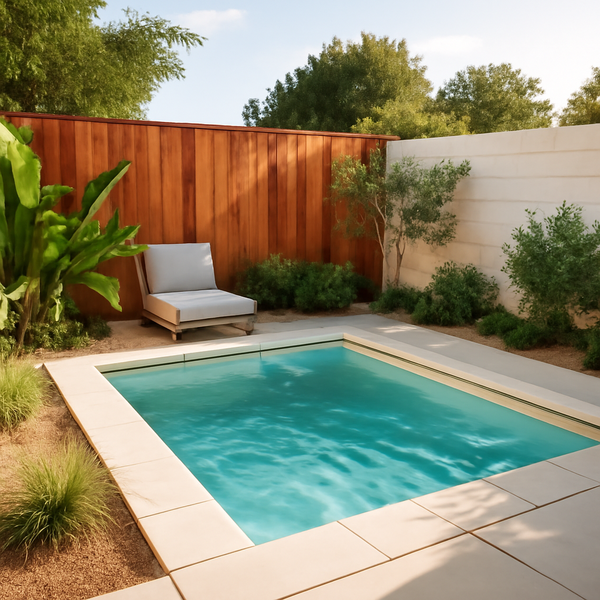
Embarking on the journey to install an outdoor pool is an exciting endeavor that promises years of relaxation and recreation. Choosing the right pool involves considering various factors, from the available space in your backyard to your budget and desired aesthetic. Whether you envision a tranquil oasis for unwinding or a vibrant hub for family fun, understanding the different types of pools, materials, and essential features will help you make an informed decision. This guide will walk you through the key considerations to ensure your outdoor pool project is a resounding success, transforming your outdoor space into a personal paradise.
Types of Outdoor Pools and Their Benefits
When planning your outdoor pool, you'll encounter several distinct types, each offering unique advantages. In-ground pools, often constructed from concrete, fiberglass, or vinyl liners, are the most traditional and can be customized in terms of size, shape, and depth to perfectly fit your landscape. Concrete pools offer the ultimate in customization but require a longer installation time and more extensive maintenance. Fiberglass pools, on the other hand, are pre-molded and faster to install, offering a smooth, non-porous surface that is resistant to algae. Vinyl liner pools are generally the most budget-friendly option, providing a quick installation process, but the liners may need replacement over time. Above-ground pools offer a more temporary and often more affordable solution, ideal for those who may not want a permanent structure or have specific landscape limitations. They come in various materials like steel, aluminum, or resin, and can be a great starting point for families or those testing the waters of pool ownership. Each type requires specific installation considerations, maintenance routines, and potential upgrades like heating systems, lighting, and water features, all of which contribute to the overall enjoyment and functionality of your aquatic retreat.
Essential Considerations for Pool Installation
The installation of an outdoor pool is a significant undertaking that requires careful planning and execution. Before breaking ground, it's crucial to assess your property's suitability. This includes checking for underground utilities, drainage patterns, and ensuring adequate space for the pool itself, surrounding decking, and any desired amenities like pool houses or landscaping. Local building codes and permits are also paramount; failure to comply can lead to costly penalties and delays. The choice of location is vital for maximizing sunlight exposure, minimizing debris from surrounding trees, and ensuring convenient access for maintenance and safety. Professional consultation is highly recommended, as experienced pool builders can provide invaluable insights into soil stability, structural requirements, and the best materials for your climate and intended use. They can also guide you through the selection of essential equipment, such as pumps, filters, and sanitation systems, ensuring your pool operates efficiently and safely. Considering the long-term maintenance and operational costs, such as water, electricity for pumps and heaters, and chemical treatments, is also a critical part of the planning process to avoid unexpected expenses down the line.
Enhancing Your Pool Experience with Features and Accessories
Once your outdoor pool is installed, a world of possibilities opens up to enhance your swimming experience and transform it into a truly personalized sanctuary. Lighting is a crucial element, extending the usability of your pool into the evening hours and creating a captivating ambiance. Underwater lighting can illuminate the depths, while perimeter lighting can highlight the pool's edges and surrounding deck. Safety features are also paramount; consider automatic pool covers for security and to reduce heat loss and evaporation, as well as fencing and alarms to prevent unauthorized access, especially if you have young children or pets. For added comfort and functionality, explore options like pool heaters to extend the swimming season, creating a consistently pleasant water temperature. Water features, such as waterfalls, fountains, or jets, can add a touch of luxury and create a soothing auditory experience. Decking materials play a role too, with options ranging from durable concrete and wood to elegant natural stone or composite materials, all offering different aesthetics and maintenance requirements. Don't forget essential accessories like comfortable loungers, outdoor furniture, and perhaps even an outdoor kitchen or bar area to make your poolside a complete entertainment destination.
Ongoing Maintenance for Longevity and Clarity
Maintaining your outdoor pool is key to ensuring its longevity, safety, and pristine appearance throughout the swimming season and beyond. Regular cleaning is fundamental, involving skimming the surface for debris, brushing the walls and floor to prevent algae buildup, and vacuuming the pool to remove sediment. Water chemistry is another critical aspect; balancing pH levels, alkalinity, and sanitizer (like chlorine or bromine) is essential for swimmer comfort and to prevent damage to the pool structure and equipment. Testing your water regularly, ideally with a reliable test kit, will allow you to make precise adjustments. Filtration systems, including the pump and filter, require periodic maintenance; this might involve backwashing the filter, cleaning or replacing filter cartridges, and ensuring the pump is running efficiently. Seasonal opening and closing procedures are also vital, especially in climates with freezing temperatures. Proper winterization prevents damage from ice and prepares the pool for a smooth reopening in the spring. Investing in a good pool cover not only helps with maintenance by keeping out debris but also conserves water and chemicals, contributing to a more sustainable and cost-effective pool ownership experience. Consulting with pool maintenance professionals can also provide peace of mind and ensure all aspects of upkeep are handled correctly.